

 See My Latest Article on HelloNation
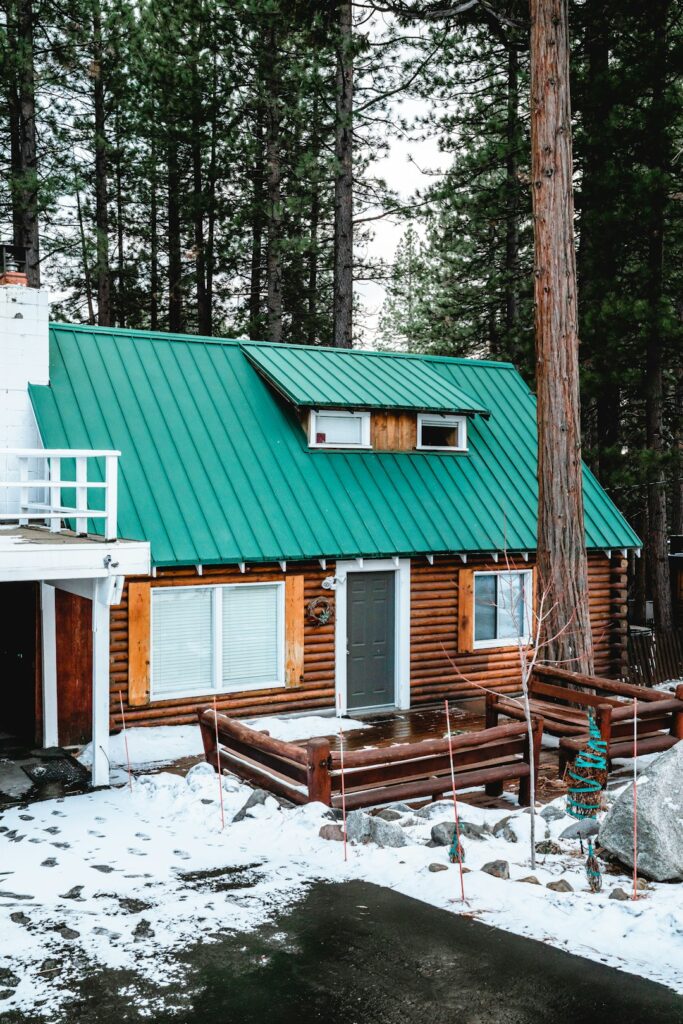
Booking a vacation rental online can look simple, but the listing rarely tells the entire story. Photos may be carefully selected, descriptions may use broad language, and important details can be easy to miss until after payment. A careful review of the listing, rental terms, location, and recent guest feedback can prevent many common problems.
For residents of Broken Bow, OK, local conditions add a few practical considerations. Seasonal weather, wooded properties, changing road conditions, limited cell coverage, and differences between secluded cabins and in-town accommodations may all affect whether a rental is a good fit.
How can you tell whether a rental listing is accurate?
Start by comparing the written description with the photos, amenities, location information, and guest reviews. A reliable listing should provide enough detail to understand what is being rented without requiring guesses.
Check whether the listing clearly states:
- The number of bedrooms and beds
- The number of bathrooms and whether any are shared
- Maximum occupancy
- Parking arrangements
- Whether the entire property is private
- Outdoor features such as decks, fire areas, hot tubs, or trails
- Rules involving pets, children, smoking, parties, and quiet hours
- Check-in and checkout times
- Additional charges
Be cautious when a listing uses vague phrases such as “near everything,” “private escape,” or “easy access” without explaining what those descriptions mean. A rental may be surrounded by trees yet still be close to neighboring properties. A property described as “remote” may have limited lighting, uneven walking surfaces, or unreliable cell service.
Photos should also be reviewed critically. Look for images of the actual bedroom, bathroom, kitchen, parking area, entrance, and outdoor spaces. If the listing shows only wide-angle photos of attractive rooms, it may not provide a clear view of the property’s size or condition.
What location details matter most?
The exact location affects driving time, road access, noise, connectivity, and the type of stay a rental can support. An online map should be checked separately from the listing description whenever possible.
For wooded or more secluded rentals around Broken Bow, consider:
- Whether the final roads are paved, gravel, steep, narrow, or winding
- Whether the property is easy to reach after dark
- How far the rental is from groceries, fuel, medical care, and other necessities
- Whether winter weather or heavy rain could affect access
- Whether parking is level and suitable for the vehicle being used
- Whether nearby properties are visible or close enough to affect privacy
A short distance on a map does not always mean a short or simple drive. Rural roads may take longer than expected, and navigation signals may be less dependable in heavily wooded areas. Downloading directions before departure and saving the property address offline can be useful.
Travelers should also confirm whether the listed location is an approximate map point or the actual property address. Some platforms protect privacy by showing a general area before booking. That is reasonable, but the final address should be available within the reservation details before arrival.
Which amenities should be verified rather than assumed?
Amenities can vary significantly between properties, even when listings use similar language. “Fully equipped kitchen” may mean different things to different hosts, and an outdoor feature may not be available year-round.
Look for specific information about:
- Cooking equipment, dishes, utensils, and coffee supplies
- Heating and air conditioning
- Laundry access
- Internet availability and expected reliability
- Water pressure and hot-water capacity
- Linens, towels, and basic household supplies
- Outdoor lighting
- Firewood, grills, fire rings, or hot tubs
- Accessibility features, if needed
In the wooded areas near Broken Bow, outdoor amenities deserve particular attention. A hot tub may require guests to follow water-care or safety rules. A fire area may be subject to weather-related restrictions. A deck may have stairs, uneven surfaces, or limited lighting.
Internet service should not be treated as guaranteed simply because a listing includes Wi-Fi. Ask whether the connection is suitable for remote work, streaming, or multiple devices if those activities are necessary. Cell service can also vary by location, so travelers who depend on mobile communication should plan accordingly.
How should reviews be read?
Reviews are most useful when they are recent, detailed, and consistent with one another. A high overall rating does not automatically mean the property will meet every traveler’s needs.
Pay attention to repeated comments about:
- Cleanliness
- Accuracy of the photos
- Noise from nearby properties
- Road conditions
- Heating or cooling
- Water availability and pressure
- Internet reliability
- Bed comfort
- Communication during check-in
- Unexpected fees or maintenance issues
A single negative review may describe an isolated problem, but several similar comments deserve attention. Recent reviews generally provide a better indication of current conditions than comments from several years ago, especially for equipment, furnishings, internet service, and outdoor features.
Reviews can also reveal details that listings leave out. Guests may mention steep stairs, wildlife, thin walls, limited kitchen supplies, or difficult parking. Those details are not necessarily reasons to reject a rental, but they help determine whether the property matches the group’s expectations.
What fees and policies should be checked before payment?
The advertised nightly rate is only one part of the total cost. Before submitting payment, review the complete price breakdown, including cleaning fees, taxes, deposits, pet charges, service fees, and any optional add-ons.

Cancellation terms should be read carefully. Some reservations allow refunds only within a limited period, while others have stricter rules tied to the booking date or arrival date. A policy may also address weather, road closures, power outages, or emergency situations differently from ordinary cancellations.
Check the rules for:
- Refundable and nonrefundable charges
- Security deposits and damage claims
- Changes to the reservation
- Early departure
- Extra guests
- Pets
- Smoking or vaping
- Parties and gatherings
- Fire use
- Hot-tub use
- Lost keys or access codes
Do not rely on a message that contradicts the written agreement unless the change is formally documented through the booking platform or rental contract. Written terms are easier to verify if a disagreement occurs.
What safety details should families and older adults consider?
A rental can be attractive and still present practical safety concerns. This is especially true for properties with decks, stairs, fireplaces, hot tubs, ponds, steep driveways, or remote access.
Before booking, determine whether the property has:
- Working smoke and carbon-monoxide detectors
- Adequate exterior lighting
- Secure railings and stairways
- Clear emergency instructions
- A visible property address
- Reliable access for emergency vehicles
- Child-safety features, if needed
- A sleeping arrangement suitable for every guest
Guests should know where to find emergency information, how to operate heating or fire equipment, and whom to contact if the power, water, or access system fails. For remote properties, keeping flashlights, charged phones, medications, and basic supplies available is sensible.
What questions are worth asking before reserving?
A short, specific message can clarify issues that are not answered in the listing. Useful questions include:
- Is the property address provided immediately after booking?
- Are the access roads suitable for a standard passenger vehicle?
- Is the internet dependable enough for work or video calls?
- Are there nearby properties or shared outdoor areas?
- Are all bedrooms located inside the main building?
- Are outdoor features available during the planned travel dates?
- Is there a backup plan for power or water interruptions?
- Are there additional charges not shown in the initial price?
The quality of the response can also be informative. A clear answer that directly addresses the question is more useful than a vague assurance. Keep important answers in writing and review them against the final reservation terms.
A good booking decision is less about finding the most attractive photos and more about matching the property to the group, season, route, budget, and comfort level. Careful reading before payment helps avoid surprises and makes it easier to enjoy the stay once the reservation begins.